" height="102.26670552009px" id="SmB71OVl0" width="565.5195039057111px"/></svg>)

Women's Sportswear
Raven Sport
The Challenge
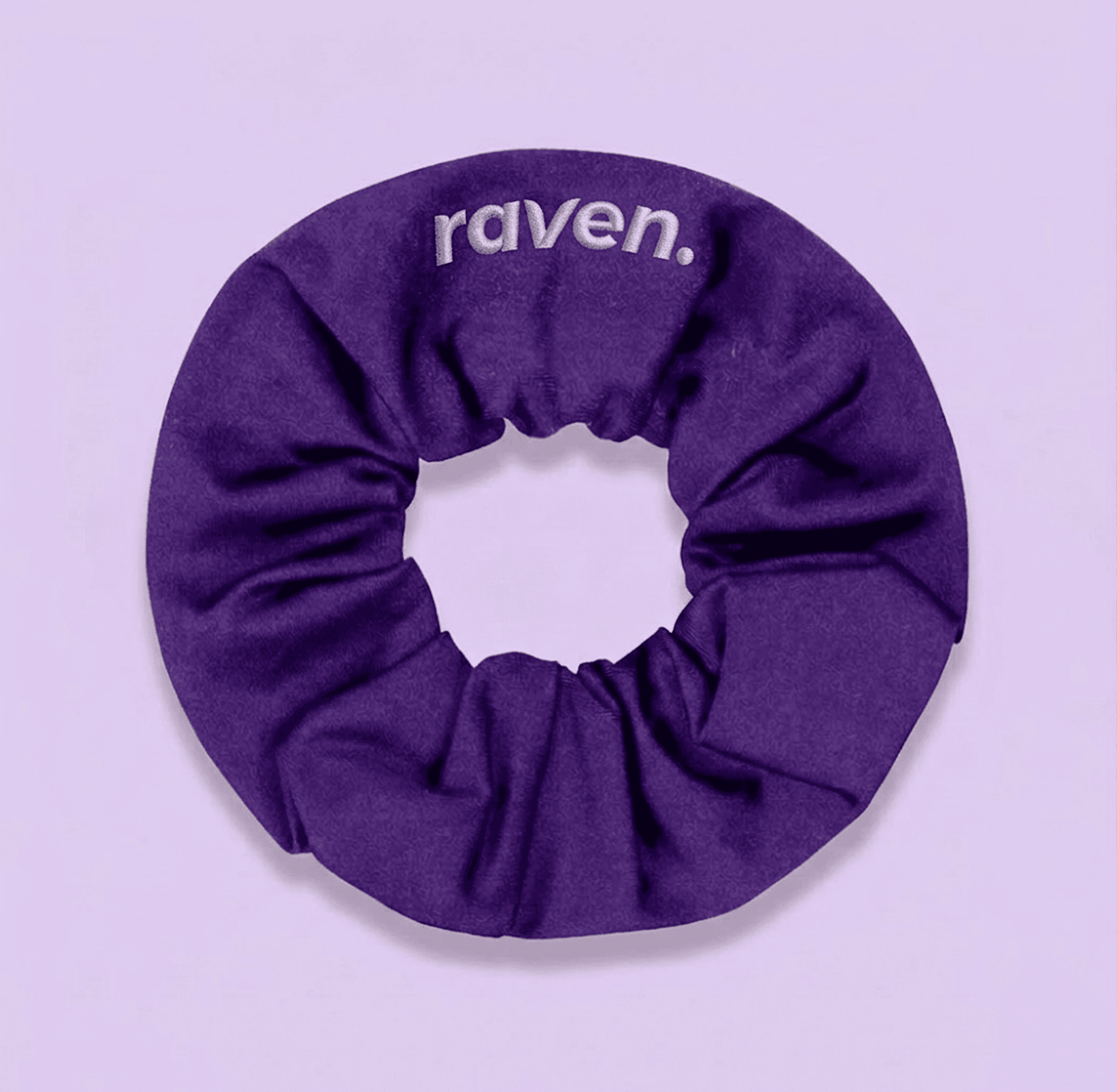
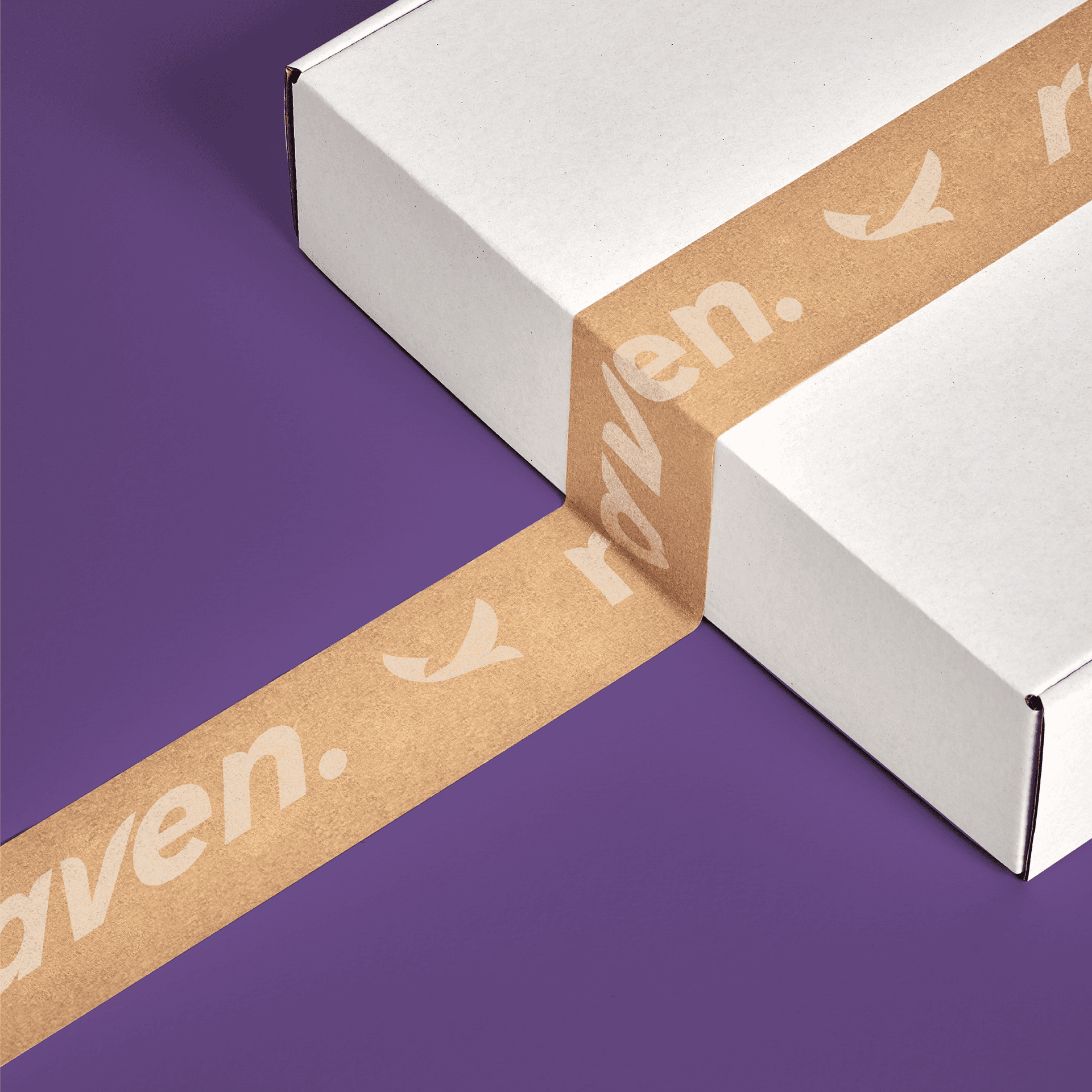
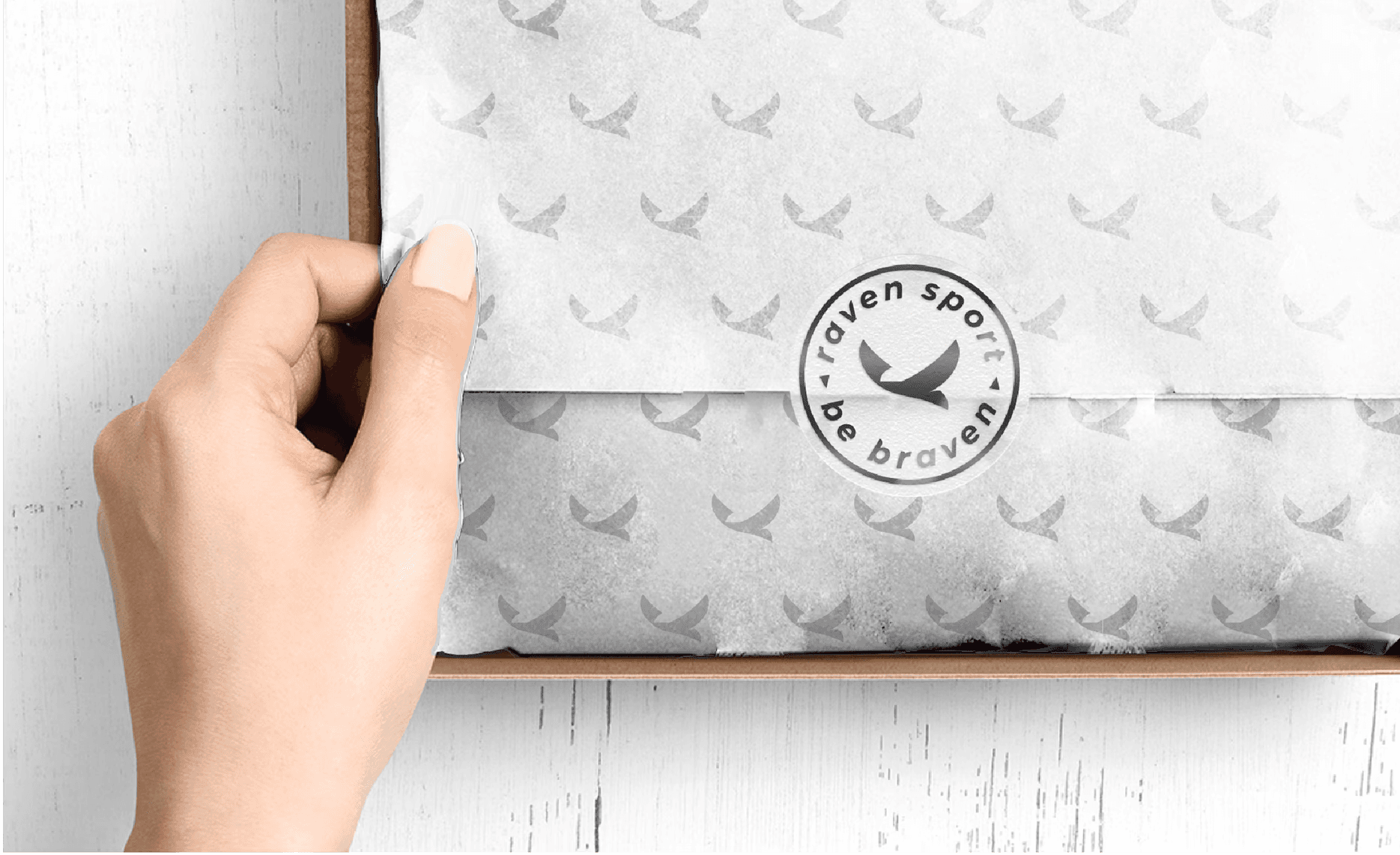
Raven Sport had been making women's activewear in Israel for nearly 3 decades. High-quality fabrics, cuts engineered for Israeli body proportions, a size range that actually included real women. By every product measure - a serious brand. But its identity told a completely different story. The logo featured a realistic sad raven, set in serif capitals. It looked like it belonged on a hunting rifle, not a sport wear. There was no energy, no warmth, no sense of the woman actually wearing the clothes. The harder problem wasn't the logo. It was the brief. Most sportswear brands sell performance. Raven's audience didn't just want to perform, they wanted to feel beautiful, powerful, and seen. Regardless of what their body looked like. Designing a sports brand that leads with feeling rather than function, without losing credibility - was the real challenge.

Deliverables:
Brand Language
Brand Strategy & Audience Definition
Fabric Icon System
Web Design
Women's Sportswear
Raven Sport
The Challenge
Raven Sport had been making women's activewear in Israel for nearly 3 decades. High-quality fabrics, cuts engineered for Israeli body proportions, a size range that actually included real women. By every product measure - a serious brand. But its identity told a completely different story. The logo featured a realistic sad raven, set in serif capitals. It looked like it belonged on a hunting rifle, not a sport wear. There was no energy, no warmth, no sense of the woman actually wearing the clothes. The harder problem wasn't the logo. It was the brief. Most sportswear brands sell performance. Raven's audience didn't just want to perform, they wanted to feel beautiful, powerful, and seen. Regardless of what their body looked like. Designing a sports brand that leads with feeling rather than function, without losing credibility - was the real challenge.
Deliverables:
Brand Language
Brand Strategy & Audience Definition
Fabric Icon System
Web Design
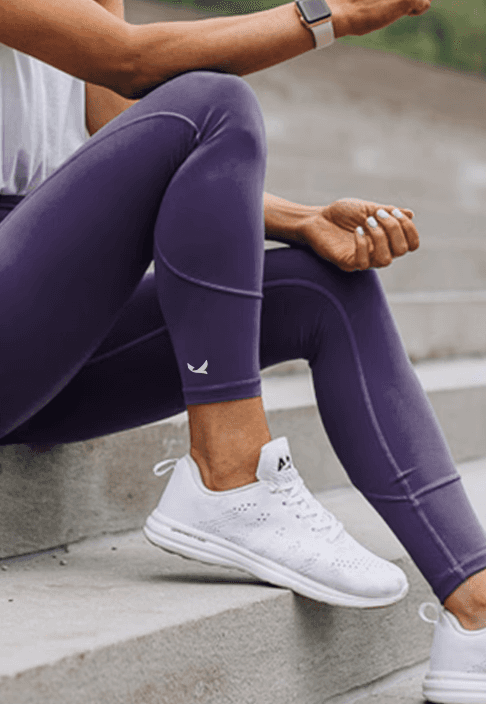
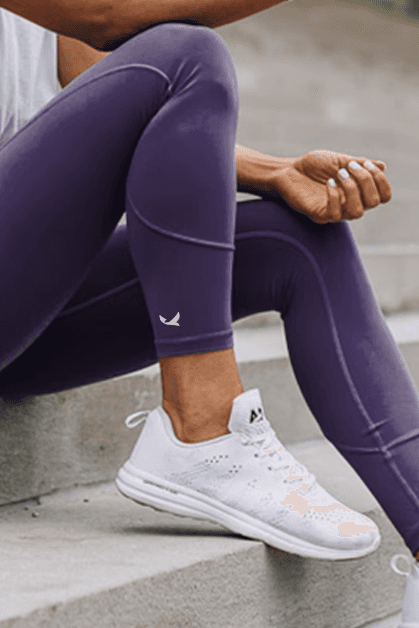
" height="252.36671162360562px" id="MkWMANjFQ" width="565.5195039057111px"/></g></svg>)
" height="193.7099793783522px" id="ylwz6_pyH" width="400.0000050231804px"/></svg>)
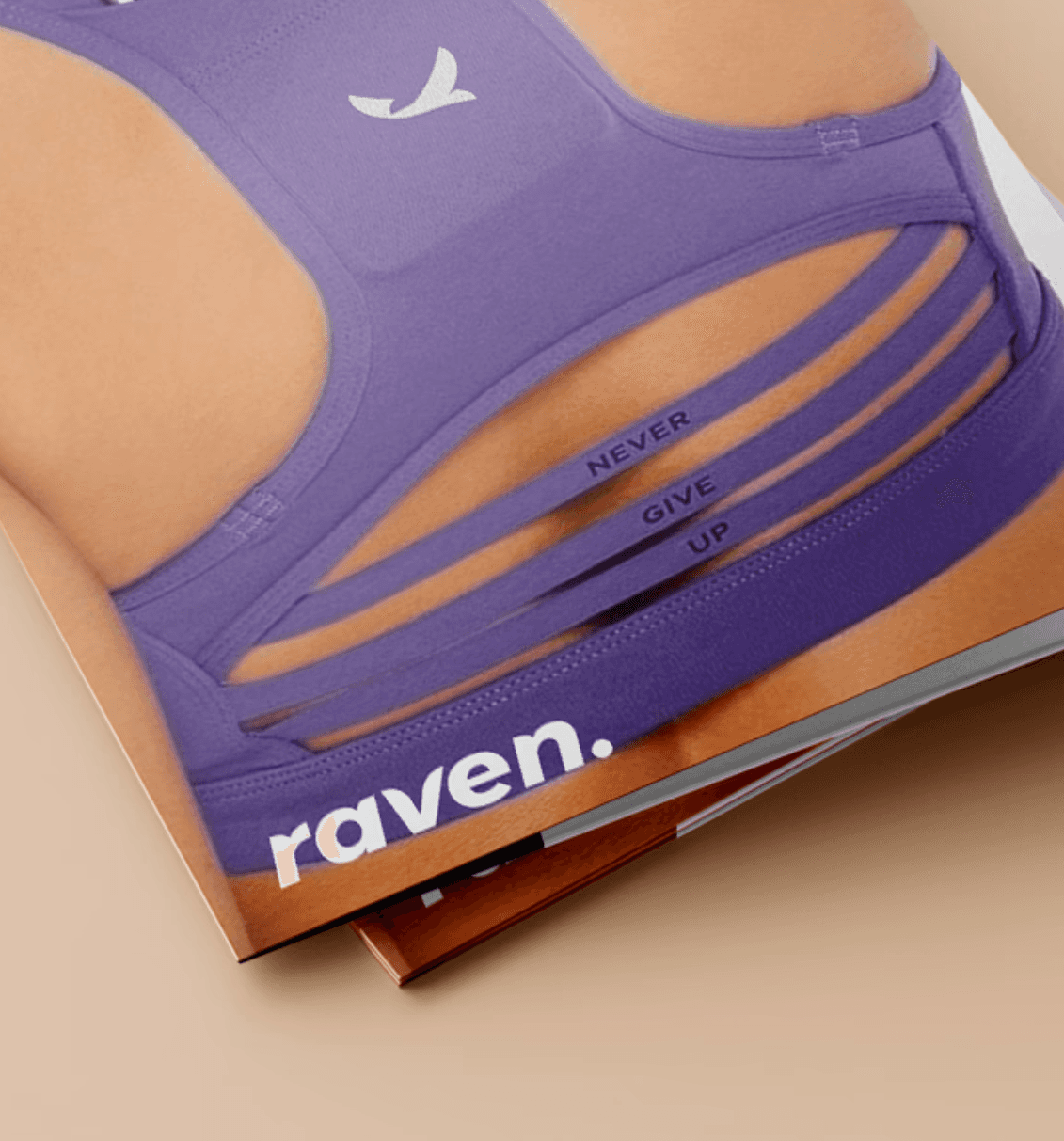

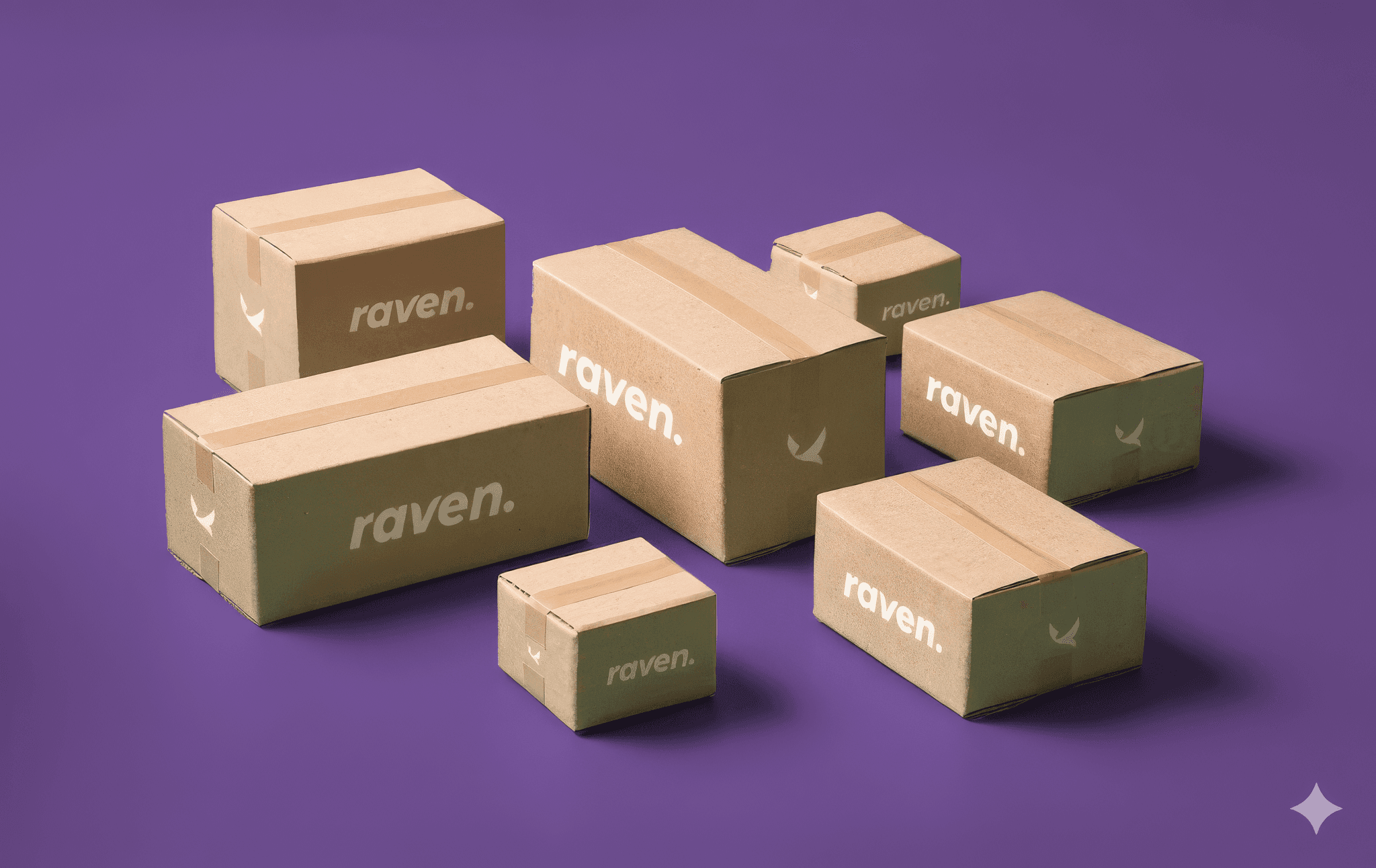
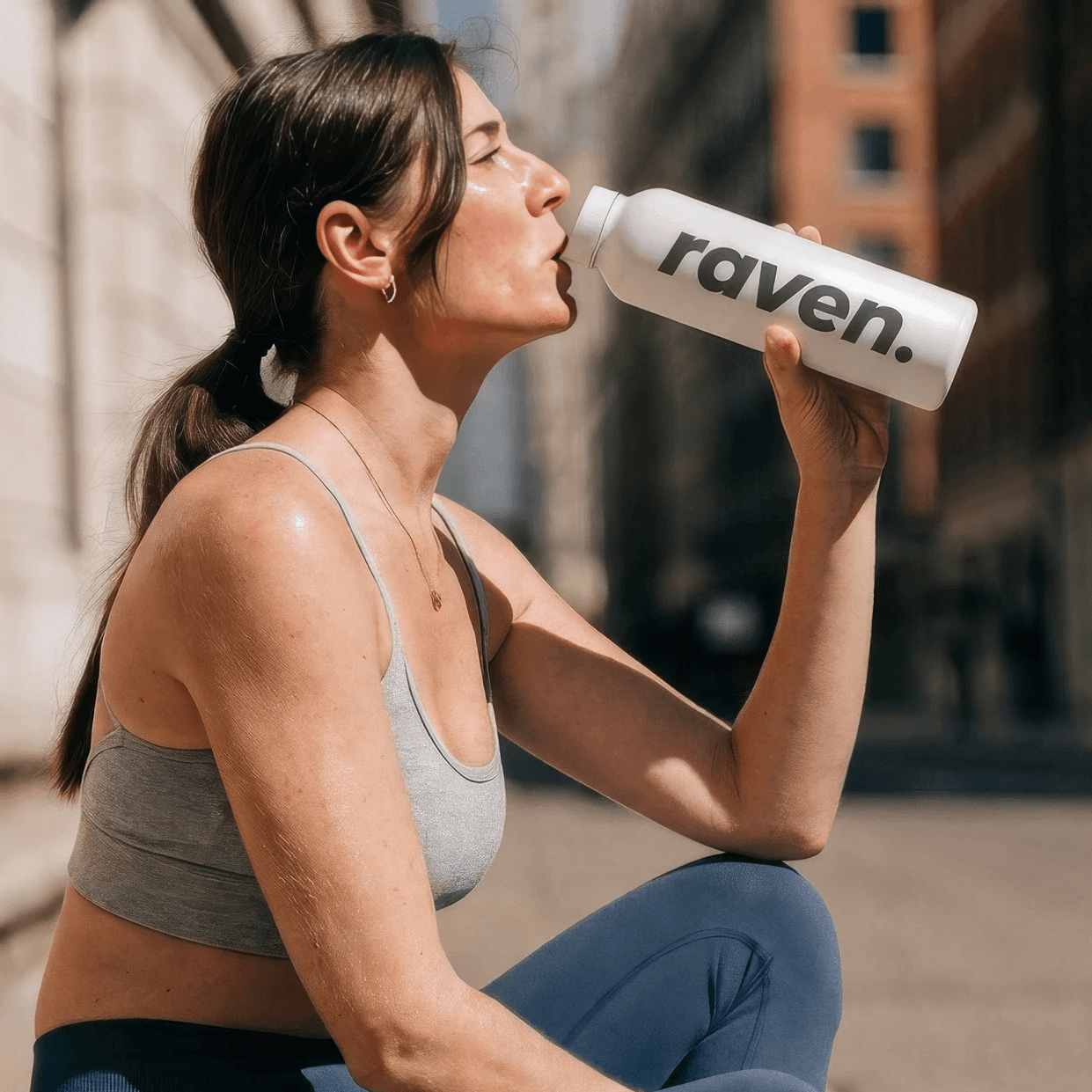
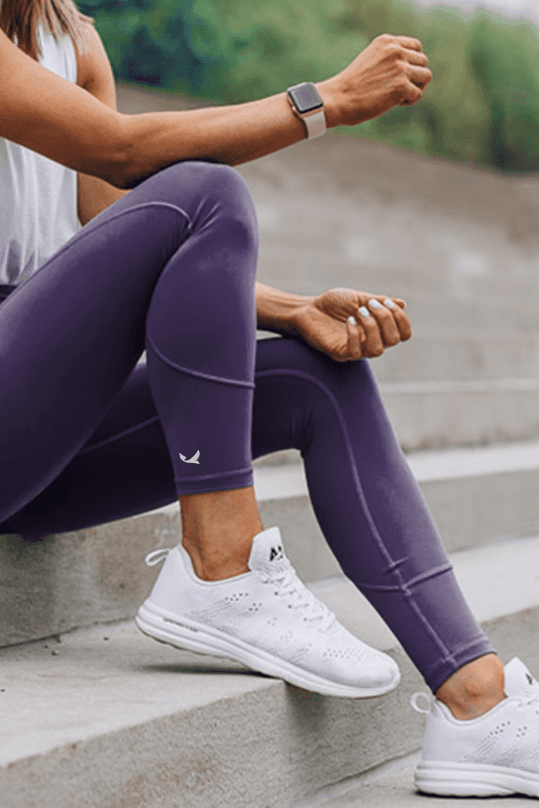
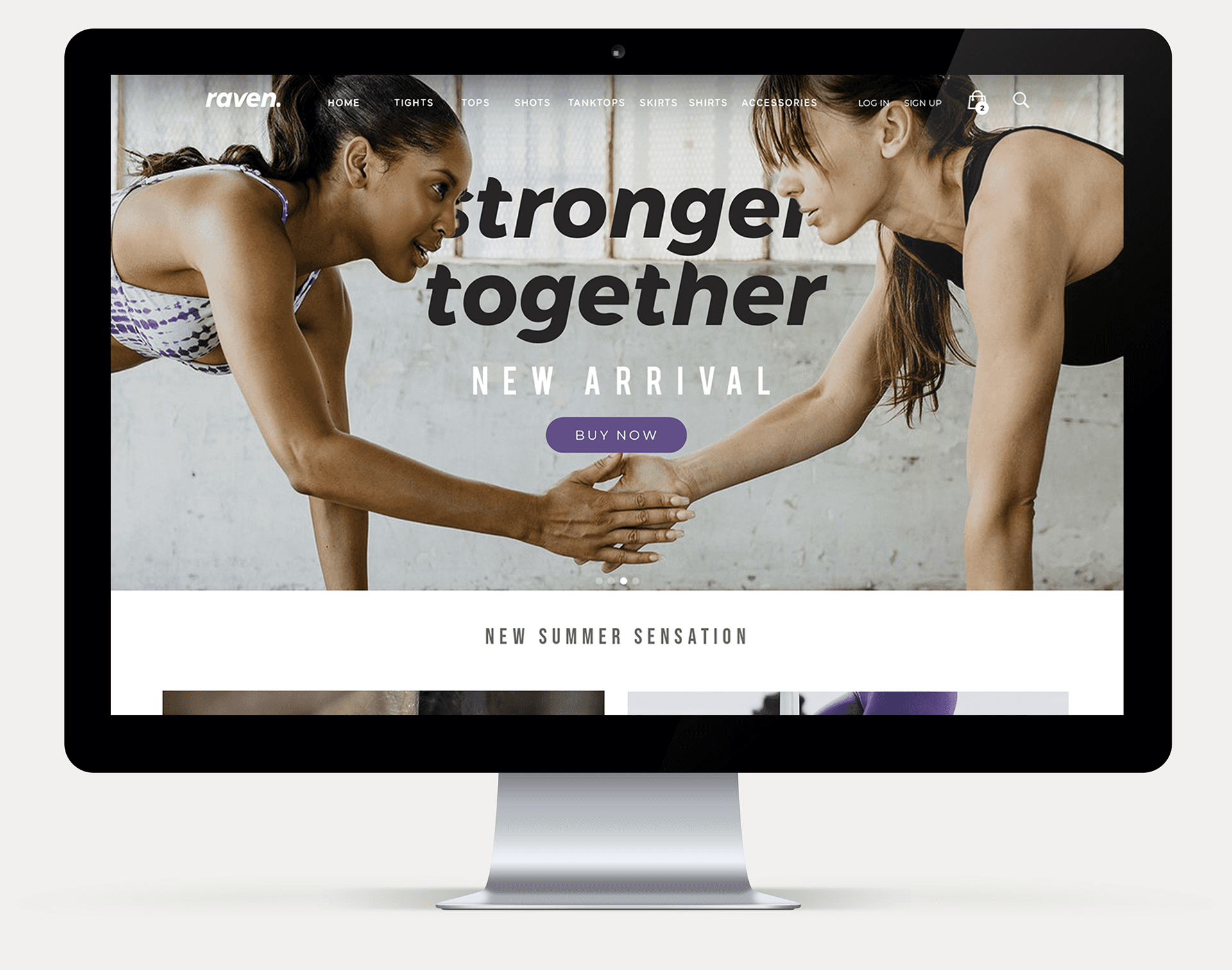
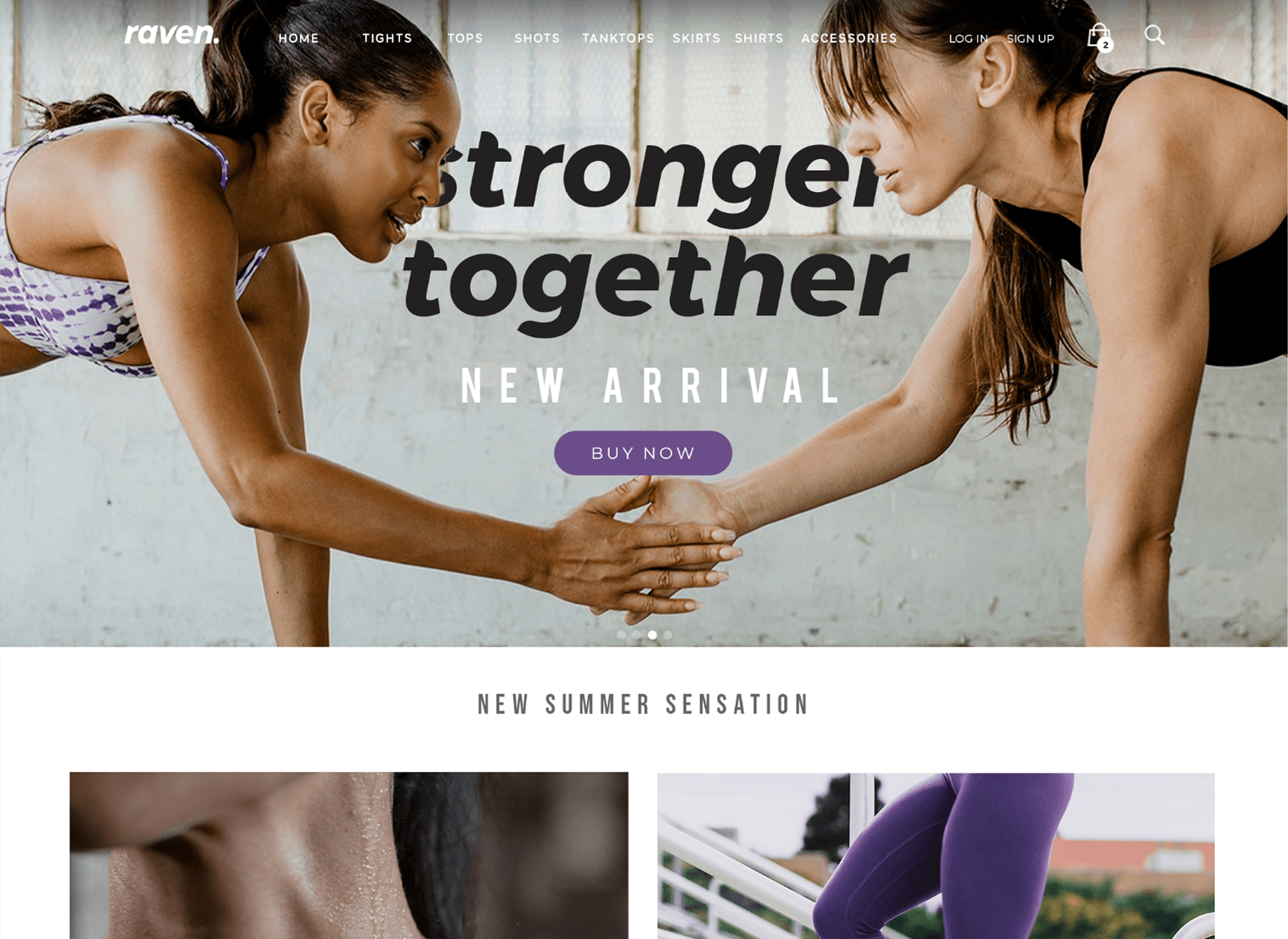
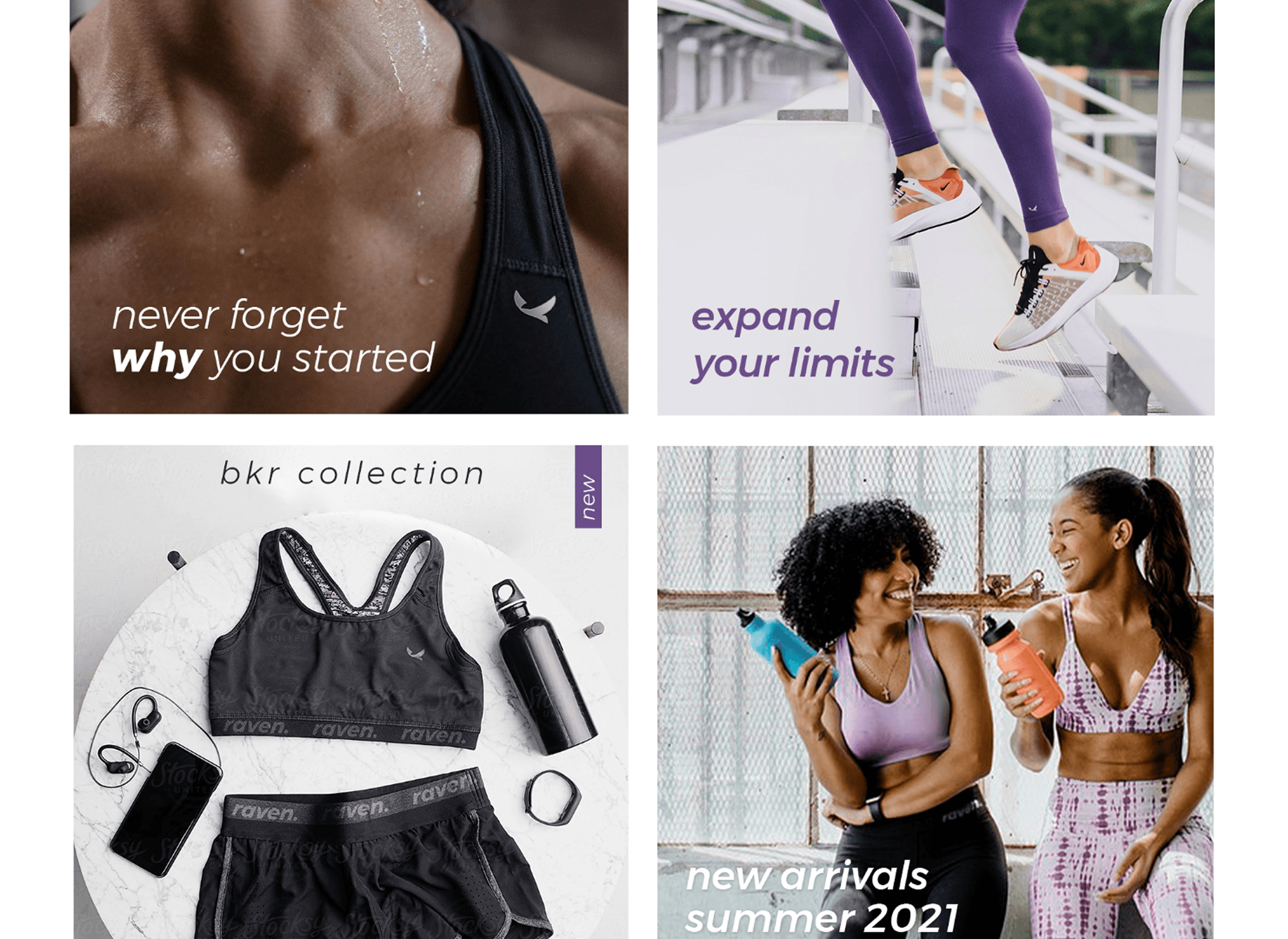
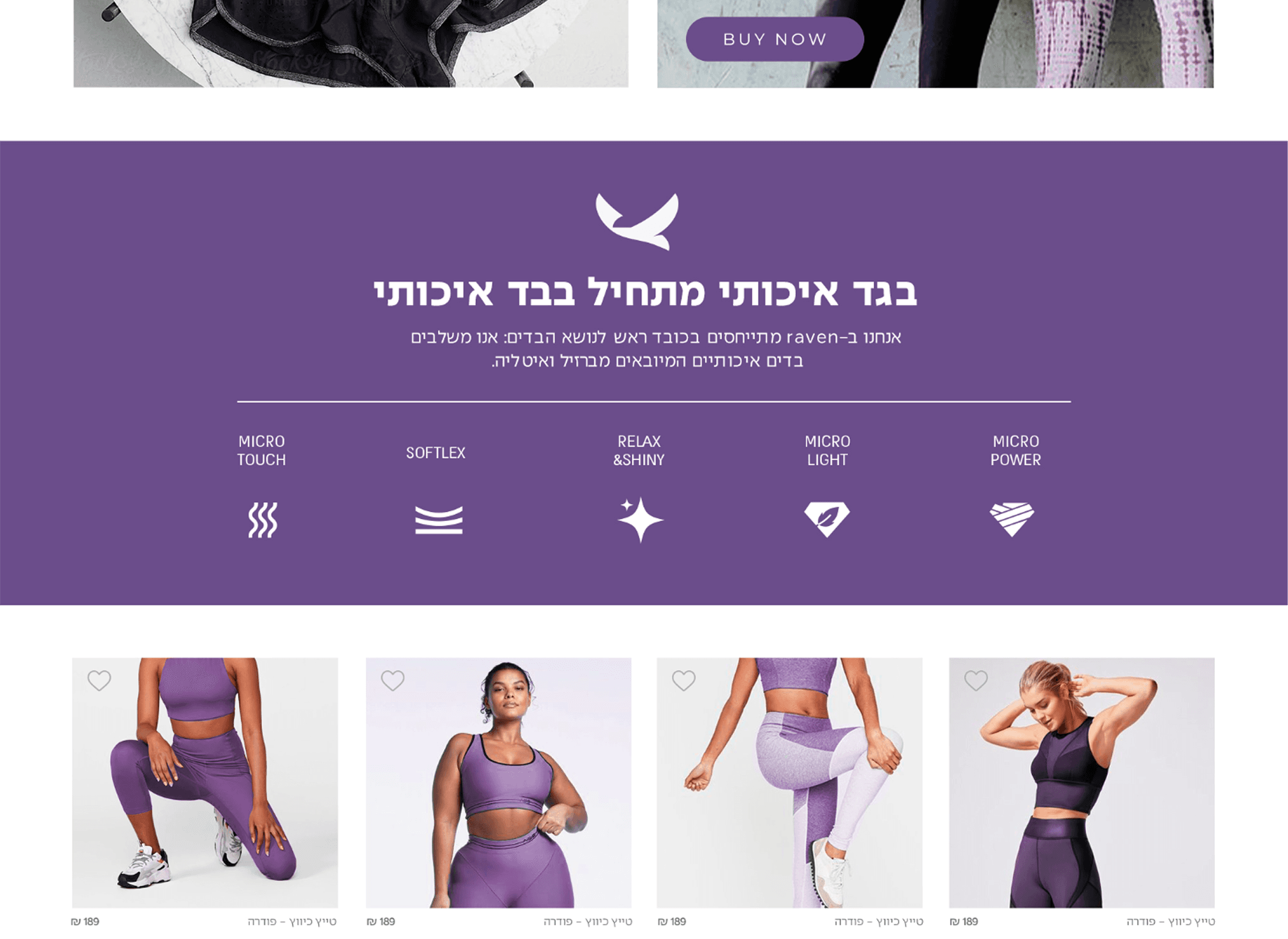
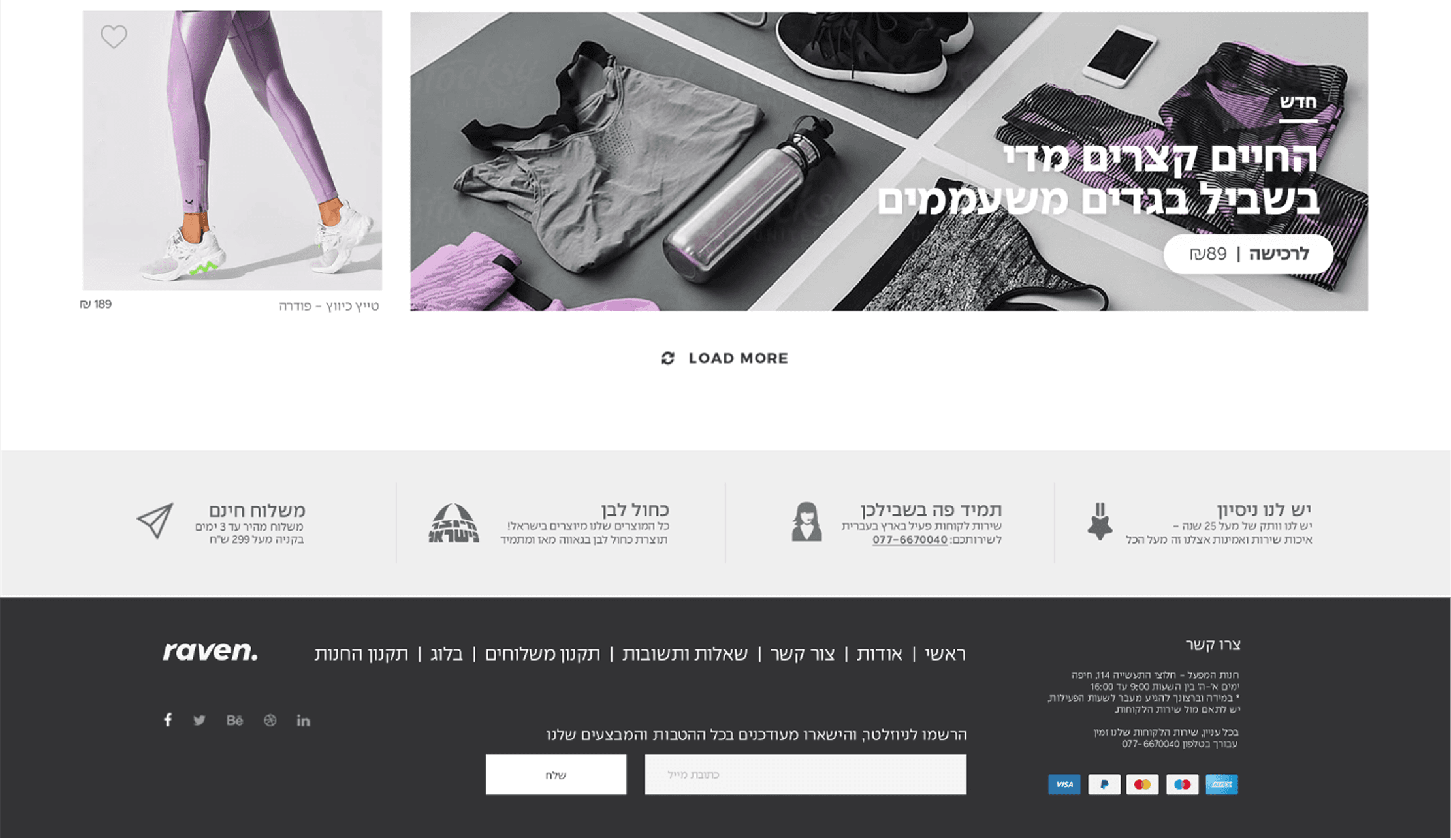
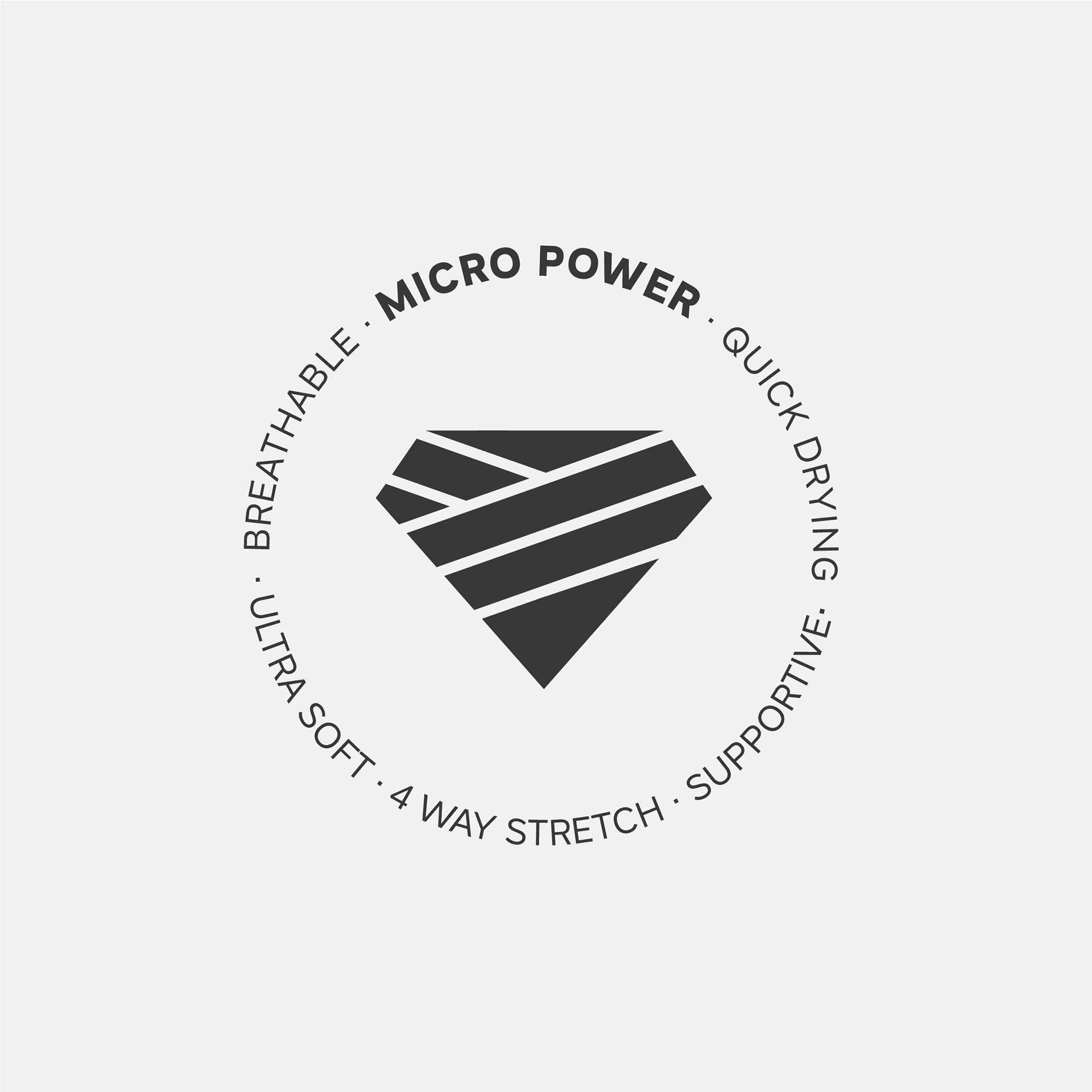
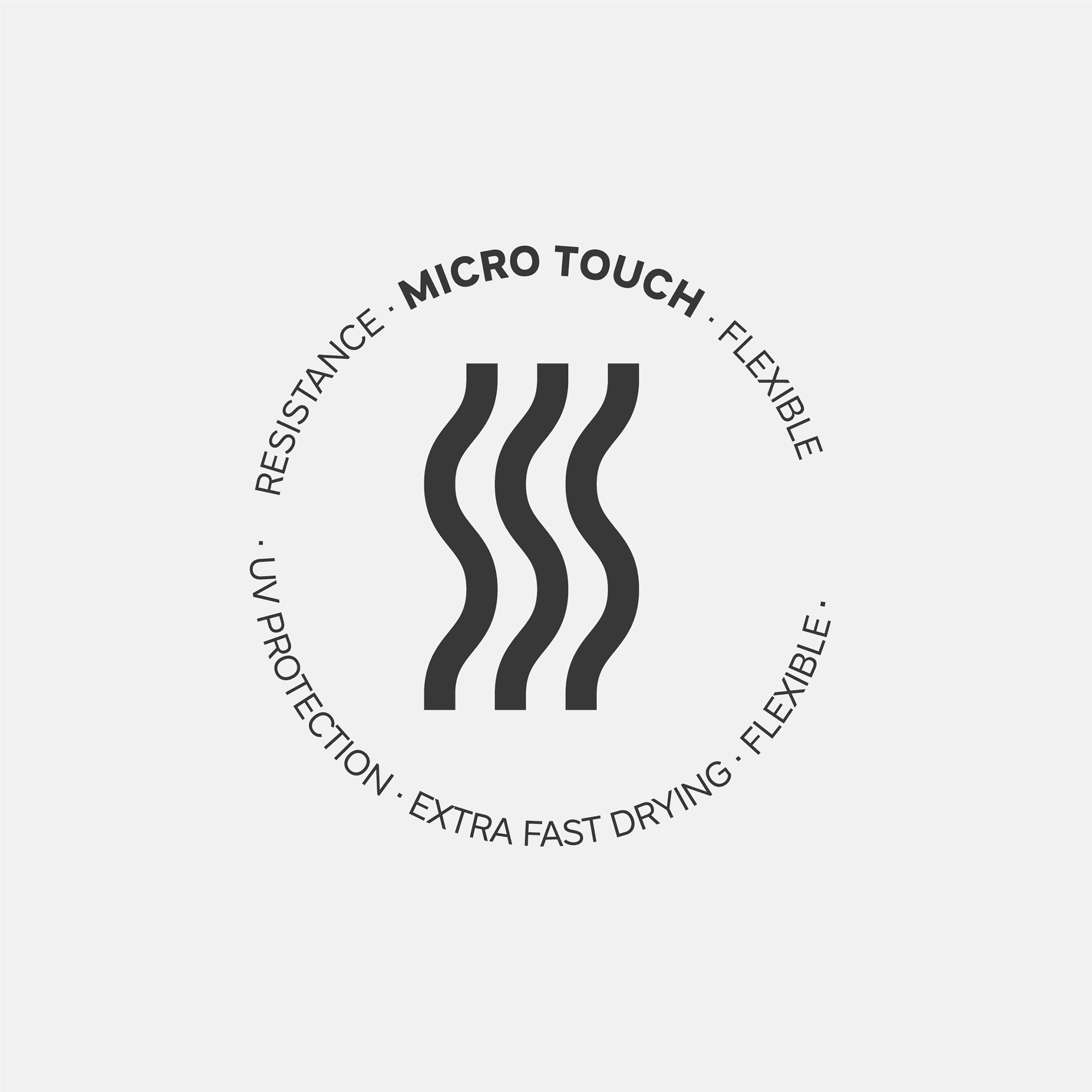
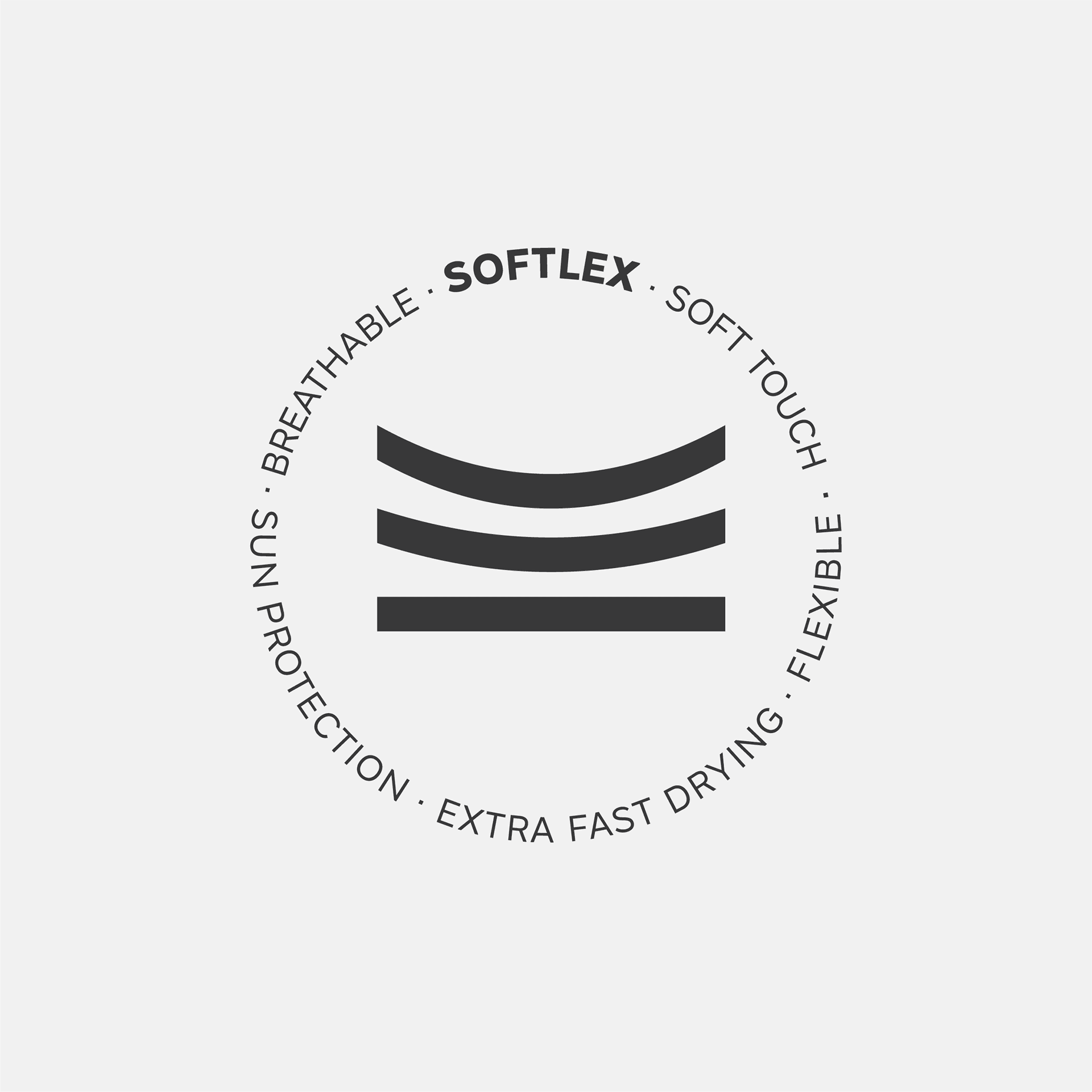
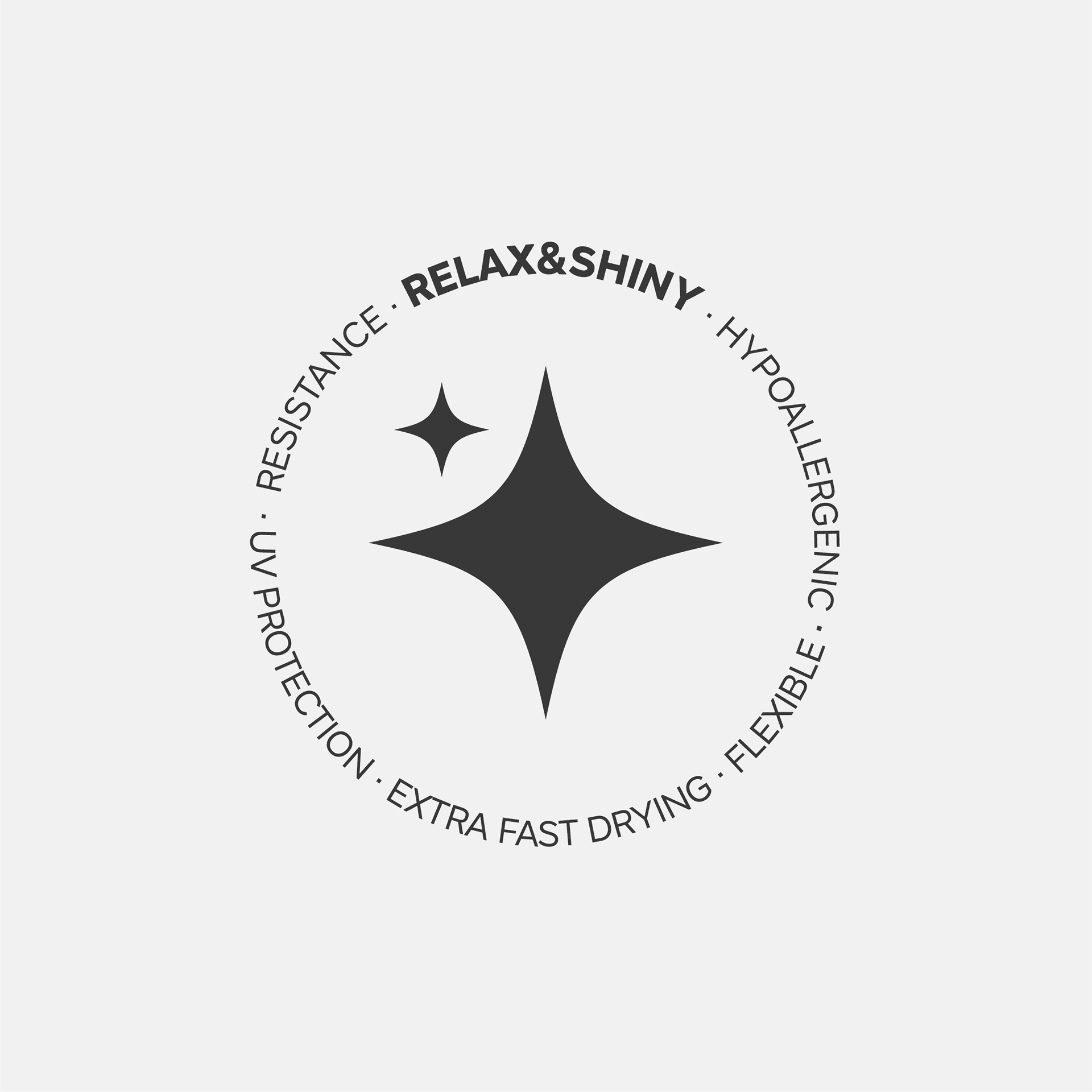
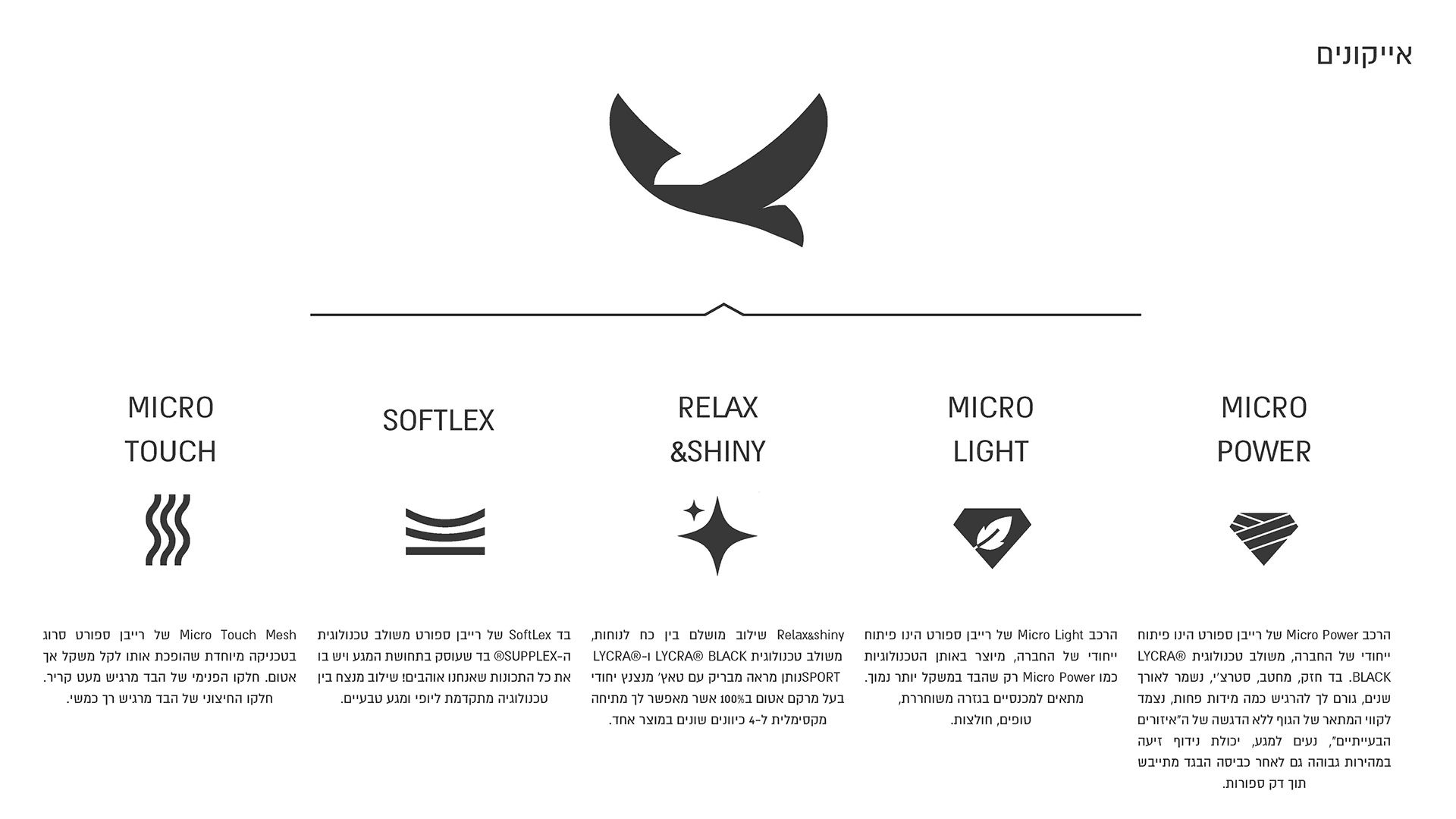
The website served as the first live deployment of the new brand system. The fabric icon set, designed as part of the identity, was integrated directly into a dedicated product section, translating a brand asset into a functional shopping tool. Editorial image pairs with on-brand copy ("never forget why you started," "expand your limits") broke up the standard product grid, giving the site a tone that felt closer to a magazine than a catalogue.
Women's Sportswear
Raven Sport
The Challenge
Raven Sport had been making women's activewear in Israel for nearly 3 decades. High-quality fabrics, cuts engineered for Israeli body proportions, a size range that actually included real women. By every product measure - a serious brand. But its identity told a completely different story. The logo featured a realistic sad raven, set in serif capitals. It looked like it belonged on a hunting rifle, not a sport wear. There was no energy, no warmth, no sense of the woman actually wearing the clothes. The harder problem wasn't the logo. It was the brief. Most sportswear brands sell performance. Raven's audience didn't just want to perform, they wanted to feel beautiful, powerful, and seen. Regardless of what their body looked like. Designing a sports brand that leads with feeling rather than function, without losing credibility - was the real challenge.
Deliverables:
Brand Language
Brand Strategy & Audience Definition
Fabric Icon System
Web Design
Women's Sportswear
Raven Sport
The Challenge
Raven Sport had been making women's activewear in Israel for nearly 3 decades. High-quality fabrics, cuts engineered for Israeli body proportions, a size range that actually included real women. By every product measure - a serious brand. But its identity told a completely different story. The logo featured a realistic sad raven, set in serif capitals. It looked like it belonged on a hunting rifle, not a sport wear. There was no energy, no warmth, no sense of the woman actually wearing the clothes. The harder problem wasn't the logo. It was the brief. Most sportswear brands sell performance. Raven's audience didn't just want to perform, they wanted to feel beautiful, powerful, and seen. Regardless of what their body looked like. Designing a sports brand that leads with feeling rather than function, without losing credibility - was the real challenge.
Deliverables:
Brand Language
Brand Strategy & Audience Definition
Fabric Icon System
Web Design
The website served as the first live deployment of the new brand system. The fabric icon set, designed as part of the identity, was integrated directly into a dedicated product section, translating a brand asset into a functional shopping tool. Editorial image pairs with on-brand copy ("never forget why you started," "expand your limits") broke up the standard product grid, giving the site a tone that felt closer to a magazine than a catalogue.